It is the second week of August. Your hotel is at full capacity. The breakfast queue is running twenty minutes longer than it should. Three rooms are still waiting to be turned by midday. A guest at reception is asking about a maintenance issue that was logged two days ago and nobody has followed up on.
That guest is not going to raise it with your duty manager. They are going to wait until they get home, open Google or TripAdvisor, and write exactly what they experienced. And the consequences are significant. 95% of travellers read guest feedback before booking a hotel, and 93% say those reviews influence their final decision. One difficult August can shape your bookings for the rest of the year, making customer retention as much a summer priority as occupancy.

This is the reality of peak season in hospitality. In many cases occupancy rates during peak seasons were up to 50% higher than during low seasons. Summer is the biggest revenue period of the year and the period when customer service feedback and hospitality customer feedback is hardest to manage. Standards are most likely to slip, and the gap between what guests expect and what a stretched team can deliver is at its widest. A full hotel in August is not just a commercial opportunity. It is a reputational test.
The good news is that the operators who come out of summer with stronger review scores are not the lucky ones. They are the ones who put the right processes in place before the season starts. This guide covers exactly how to do that.
Why do you receive more negative customer service feedback in the summer?
Peak summer season does not create bad hospitality. It creates the conditions where weaknesses that exist all year become impossible to hide.
The staffing picture is the starting point. A quarter of all hospitality businesses experience a shortage of workers during the summer months, rising to almost a third in July specifically. The roles most likely to be understaffed are the ones guests notice most:
- Front of house
- Housekeeping
- Food and beverage
When those teams are stretched, response times slow, standards slip and the small failures that an experienced team would catch and fix quietly start reaching the guest.The seasonal hire problem adds to this. Temporary and agency staff often go through induction but not service standards training. They know the fire exits but not:
- How to handle a complaint
- How to de-escalate a difficult check-in
- What the brand's service language sounds like
They are frequently the first point of contact for a frustrated guest, and they are the least equipped to handle it well.
Higher guest expectations make the gap worse. A traveller paying peak-season rates in August is not making allowances for a team that is two members short. They are expecting the experience the price implies. When reality falls short, the emotional reaction is sharper than it would be at any other time of year.
Finally, there is the review lag. A guest who has a difficult stay in July rarely posts their review from the hotel room. They post it two weeks later, when they are home, the frustration has had time to settle into a clear narrative and they have twenty minutes to write it properly.
By the time that review appears on Google or TripAdvisor:
- The team has moved on
- The moment is gone
- The damage is already public
Peak season complaints follow this pattern almost without exception. The experience happens in real time, but the reputational impact arrives weeks later.
Capturing customer service feedback during the stay, not after
Most hospitality businesses ask for guest feedback after guests have left. A post-stay email arrives 24 hours after checkout, the guest fills it in if they remember, and the results land in a dashboard that someone reviews at the end of the month. By then, the guest has gone, the team has moved on and the chance to change the outcome has passed entirely.
The shift that separates high-performing operators from the rest is not how they respond to negative feedback. It is when they capture it.
A guest who flags a problem on day two of a five-night stay gives the hotel a chance to fix it on day three. A guest who raises an issue with the room temperature on a Tuesday morning can have it resolved by Tuesday afternoon. That same guest, if asked how their stay was at checkout on Friday, might still leave a positive review, because the problem was acknowledged and fixed. The experience they remember is not the failure. It is the recovery.
That recovery only happens if the feedback reaches the right person while the guest is still in the building. Which means the capture has to happen in the moment, at the right touchpoints, not in an email survey sent after they arrive home.
The places that matter most are the ones where reactions are immediate and honest. A terminal in the lobby after check-in captures first impressions before they harden into an opinion. A prompt at the restaurant exit captures the dining experience while the meal is still recent. An NFC board in the spa or leisure area picks up the feedback that guests would never think to raise at the front desk but feel strongly enough to tap a response on a screen. A short post-check-in message sent to the guest's phone on day one opens a direct channel for anything they have not had a chance to raise in person.
80% of guests who are asked to leave a review will do so. The gap between capturing that reaction in the moment and hoping they complete a post-stay survey is the difference between a score your team can act on and one they cannot.
Real-time alerts change the operational picture entirely:
- Knowing that a guest on the third floor has flagged a noise complaint at 10pm is useful
- Knowing it at 10pm, while the guest is still there, is actionable
- Knowing it three days after checkout, when the review has already been posted, is just information
The operational value of in-the-moment feedback is not the data it produces. It is the window it creates between something going wrong and it becoming a permanent part of your reputation.
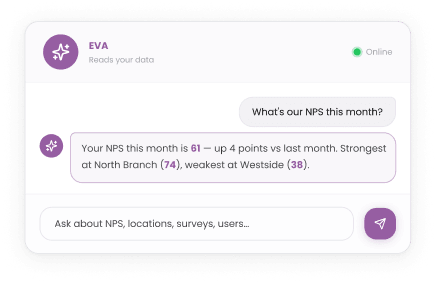
Serve First's hotel feedback management tools such as, feedback terminals and NFC boards, give hospitality operators that window. Placed at the right touchpoints across a property, they capture honest guest reactions at the moment they happen and route them automatically to the right team member. A complaint does not sit in a shared inbox waiting for someone to notice it. It reaches the duty manager's phone before the guest has left the floor.

Is your team actually ready for peak season?
The best feedback tools are only as effective as the team behind them. A terminal that captures a complaint at 10pm is useful. A duty manager who knows exactly what to do when that alert arrives is what turns it into a recovery.
Most hospitality businesses run induction programmes for seasonal staff. They cover the essentials: health and safety, fire procedures, clocking in and out. What they rarely cover in the same depth is the service standard training that determines how a guest feels about their stay. Temporary and agency staff know the fire exits. They do not always know how to handle a guest who is unhappy about their room, how to de-escalate a complaint at the front desk without escalating it further, or what the escalation process looks like when a situation is beyond them. Those are the moments that end up in reviews.
A pre-season briefing changes that. Run it before full occupancy hits, while there is still time to correct gaps before they reach guests. It should cover the service standards that matter most to your guests, the complaints that come up most often and how to handle them, what good service recovery looks like in practice and who to involve when a situation needs escalating. It should also cover the specific language your brand uses, because the tone of a recovery conversation matters as much as the speed of it.
The briefing should reach the whole team, not just the managers. The housekeeper who notices something wrong in a room and knows to flag it rather than ignore it, the breakfast server who knows how to respond when a guest is frustrated about the wait, the receptionist who can handle a difficult check-in calmly and confidently. These are the people who shape the guest experience in peak season, and they need more than a one-hour induction to do it well.

Mystery shopping before the season opens gives operators a clear and honest picture of what the guest experience actually looks like before the pressure of full occupancy arrives. Not what managers think it looks like. Not what the last internal review said. What a real guest experiences when they walk through the door, check in, order breakfast and ask for help at the front desk. The gaps that a mystery shopping visit surfaces in June are fixable. The same gaps surfaced in a TripAdvisor review in August are not.
Serve First's mystery shopping programmes and training tools mean that pre-season preparation is not just a checklist exercise. Briefing materials and service standards are pushed to the whole team with completion tracked, so managers know who is ready before the first guest arrives. And mystery shopping results are available immediately, connected to the same platform where audit results, feedback data and operational tasks already live.
Three things you can do during peak season
Peak season for UK hospitality typically runs from mid-July through to the end of August. That window is short, and the preparation time is shorter.
The operators who come out of summer with stronger review scores are not the ones who responded fastest to negative feedback. They are the ones who reduced the number of negative experiences in the first place.

There are three things worth doing, before the season makes it harder to find the time:
- Pull last summer's feedback data and look for patterns. Which periods saw the sharpest drop in satisfaction scores? Which complaints appeared more than once? The failures that showed up in July and August last year are the ones most likely to reappear this year without deliberate action.
- Book your pre-season briefings and confirm that seasonal staff have been through service standards training, not just induction. If there are gaps in coverage, there is still time to close them.
- Put feedback capture in place before full occupancy hits. A terminal in the lobby, an NFC board at the restaurant exit, a short message to guests on day one. The infrastructure that lets your team act before checkout, not after the review.
If you want to see how Serve First helps hospitality businesses capture guest feedback in real time, prepare teams before peak season and turn last summer's data into this summer's improvement, talk to us.