The wellness market Isn't just growing: it's saturating
From supplements and skin health to boutique fitness studios, cryotherapy
lounges, and wellness cafés, the wellness industry has exploded. Global spend
on wellness is projected to hit $8.5 trillion by 2027, and every month a new
brand enters the space promising “better sleep,” “better skin,” “better
energy,” or simply “a better you.”
But with more choice comes a new problem: every brand is saying the same
thing.
The brands that win now aren’t just selling wellness products; they’re selling
experiences, trust, and connection.

Why most wellness brands struggle to stand out
Even with stunning branding, influencer campaigns, and 5-star PR launches,
many wellness brands hit the same walls:
- Messages sound alike – “clean,” “science-backed,” “holistic,” “premium”
- Loyalty is unstable – consumers easily switch based on trends or
convenience - CX gaps go unnoticed -from delayed deliveries to inconsistent service in
physical locations - Feedback is collected, not actioned reviews become reactive damage
control instead of proactive improvement - Customer relationships stay surface-level – transactions, not trust
In short, brand love isn’t built through claims; it’s built through
experience.
What today's wellness consumer actually wants
Modern wellness customers aren’t passive buyers; they’re active
participants in their lifestyle and community. They expect:
- Personalisation, not generic messaging
- Proof of impact, not just promises
- Values that feel real, not performative
- A seamless journey from online discovery → in-store experience → post-purchase – follow-up
A brand that listens and responds, not just broadcasts marketing messages
Loyalty in wellness is emotional first, transactional second.
The wellness brand playbook: 5 ways to win in 2026
Make Customer Experience Your Differentiator
Products can be copied. Experiences can’t. Whether you’re running 200 spa
locations or shipping supplements globally, experience is the new brand
moat.
Turn Feedback Into a Growth Engine
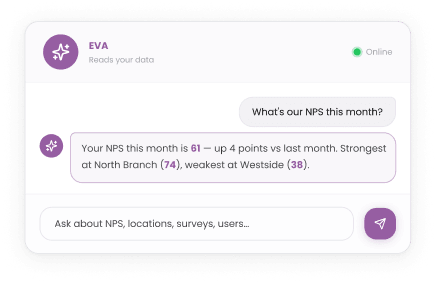
Wellness consumers love to share feedback, but most brands aren’t using it
strategically. Real-time customer insights tell you what’s working, what’s not,
and what to fix before your reputation takes a hit.
Build Community, Not Just AudienceThe most successful wellness brands act like movements. They build loyaltythrough membership, education, events, and shared values, not just discount
codes.
Connect Online + In-Person Journeys
Whether customers book a class, buy skincare, join a challenge, or subscribe to supplements, the experience needs to feel consistent across the board.
Show Progress, Not Perfection
Wellness customers respond to brands that are transparent, evolving, and open to feedback, not just “polished.” Acting on customer insight is itself a loyalty driver.
What we're seeing across the wellness industry
Brands using Serve First to manage real-time guest feedback have been
able to:
- Reduce churn caused by operational issues (late deliveries, poor service,
lack of follow-up) - Increase repeat purchase rates with better post-purchase communication
- Turn negative feedback into loyalty moments through rapid resolution
- Create consistent CX across franchises, studios, or retail sites
- Build true retention loops, not just repeat ad spend
Because in wellness, the brand isn’t what you say. It’s what the customer feels every time they interact with you
Final thought
There is no shortage of wellness brands. But there is a shortage of brands
that listen, act quickly, and create experiences that feel personal and human at
scale.
The brands that win in the next era of wellness will be those who treat CX as a
strategy, not aftercare.
👉 Want to see how leading wellness brands are using real-time feedback to build loyalty and protect brand experience?